Revealing the infrastructures that shape our sense of place
Fauxliage: Disguised Cell Phone Towers of the American West (2014 - ongoing)
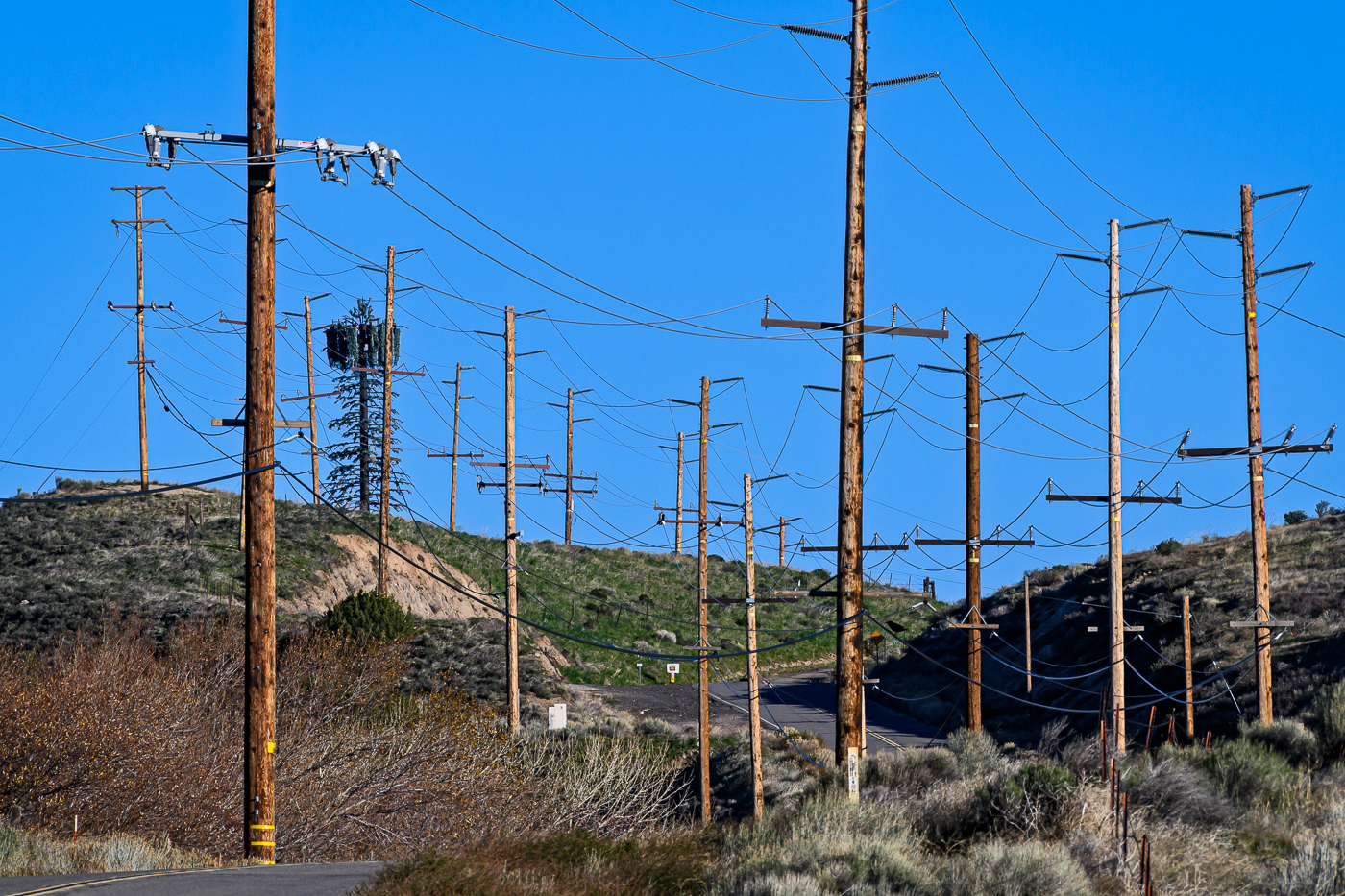
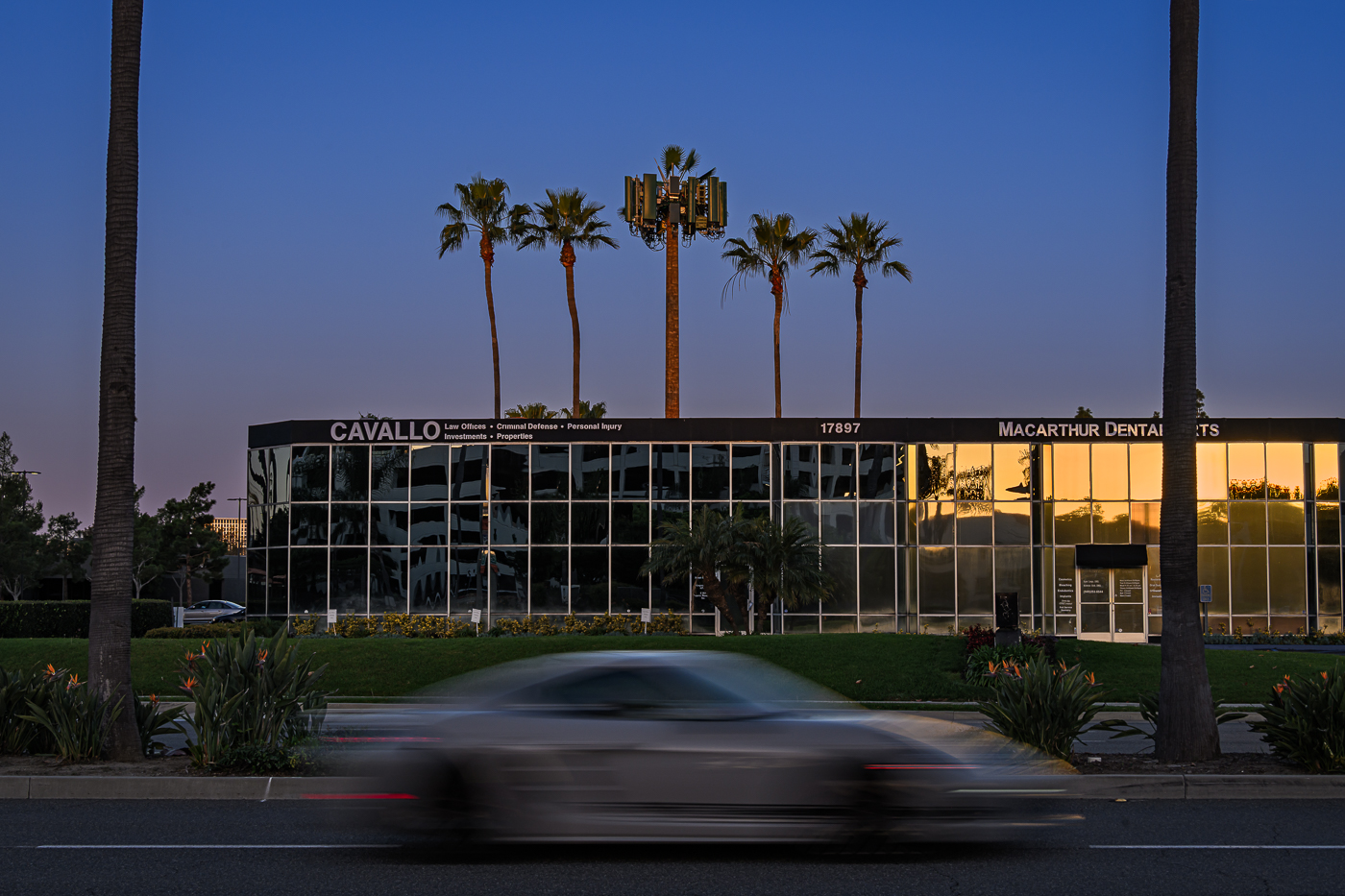
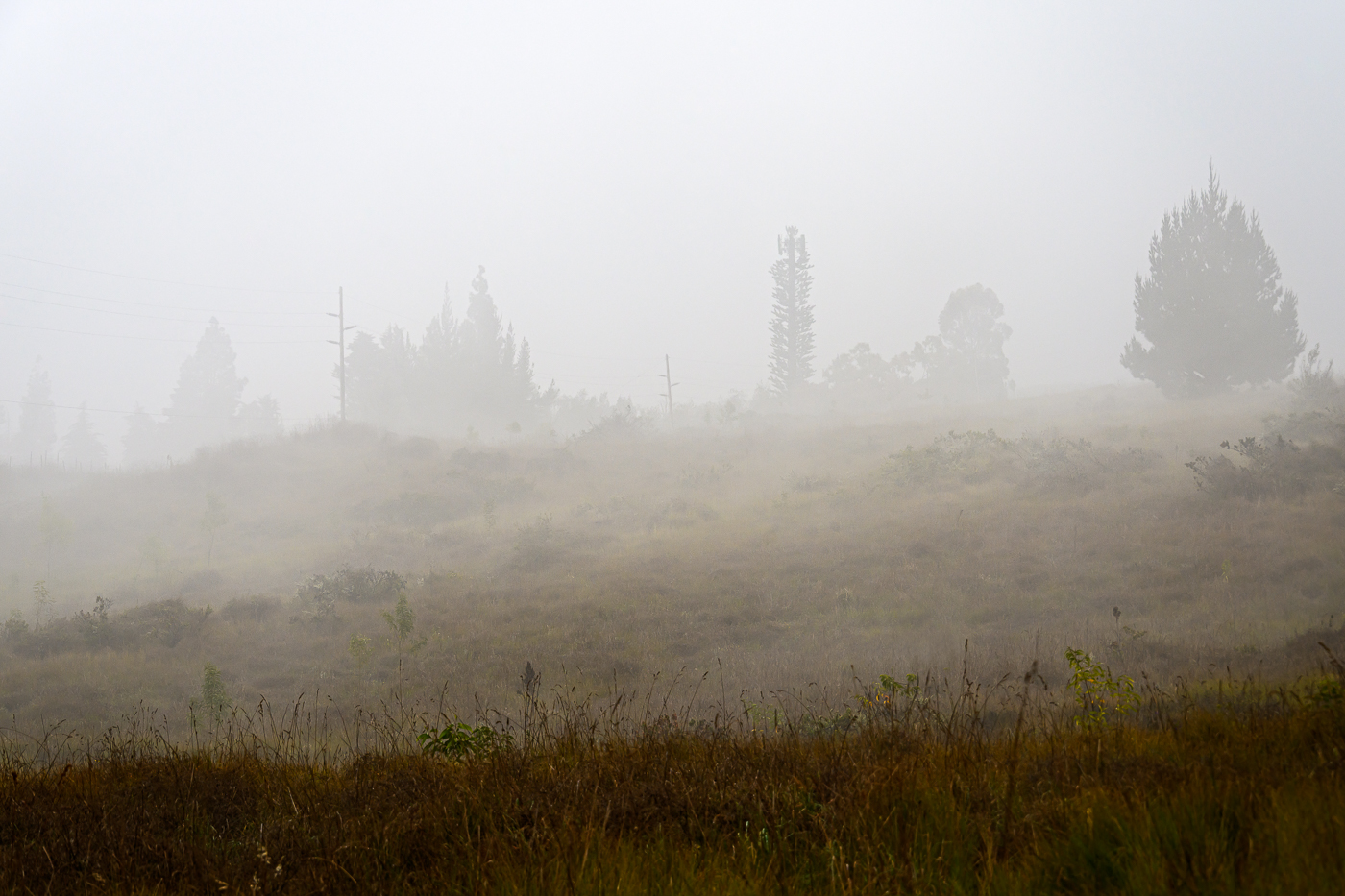
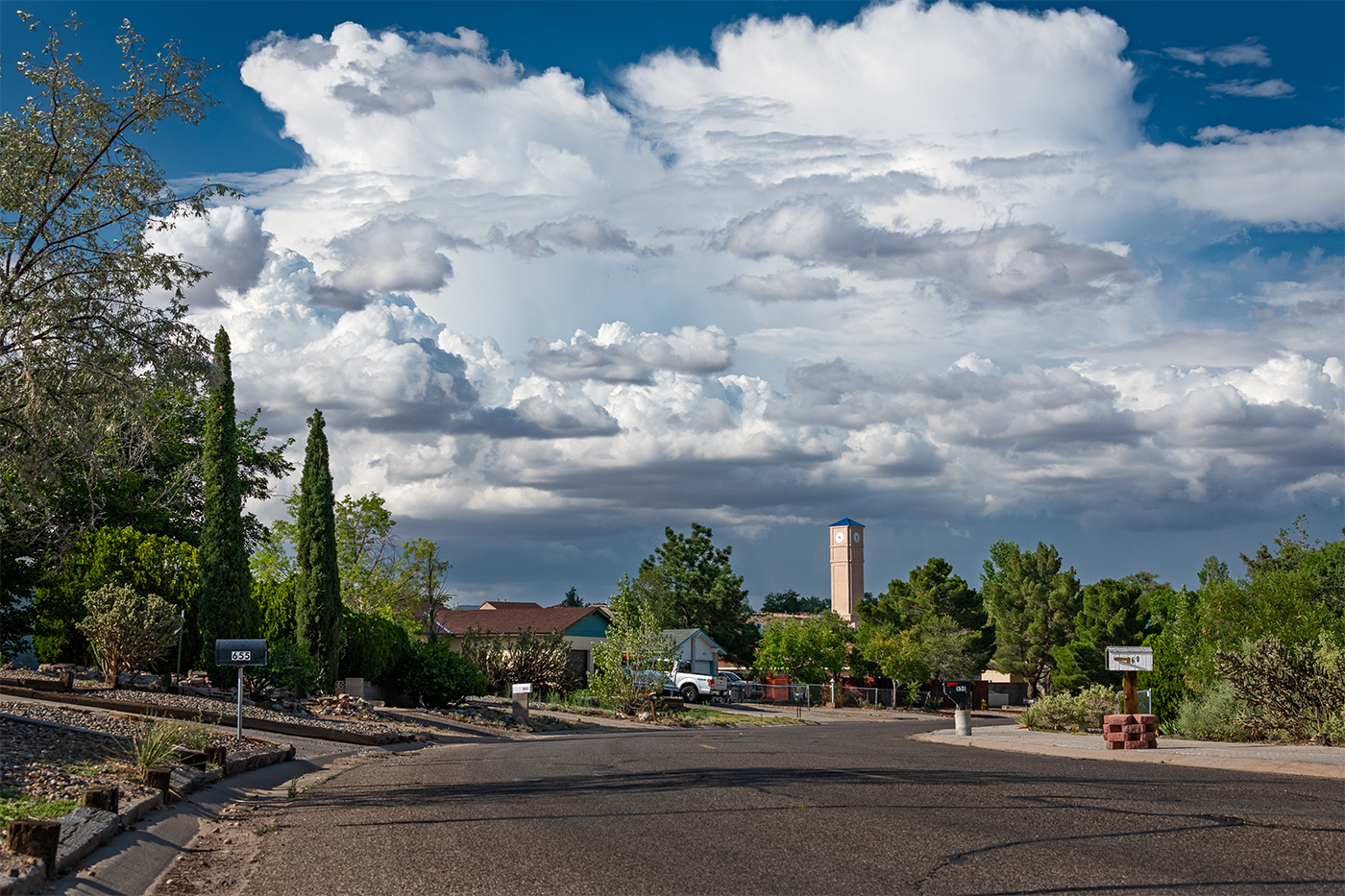
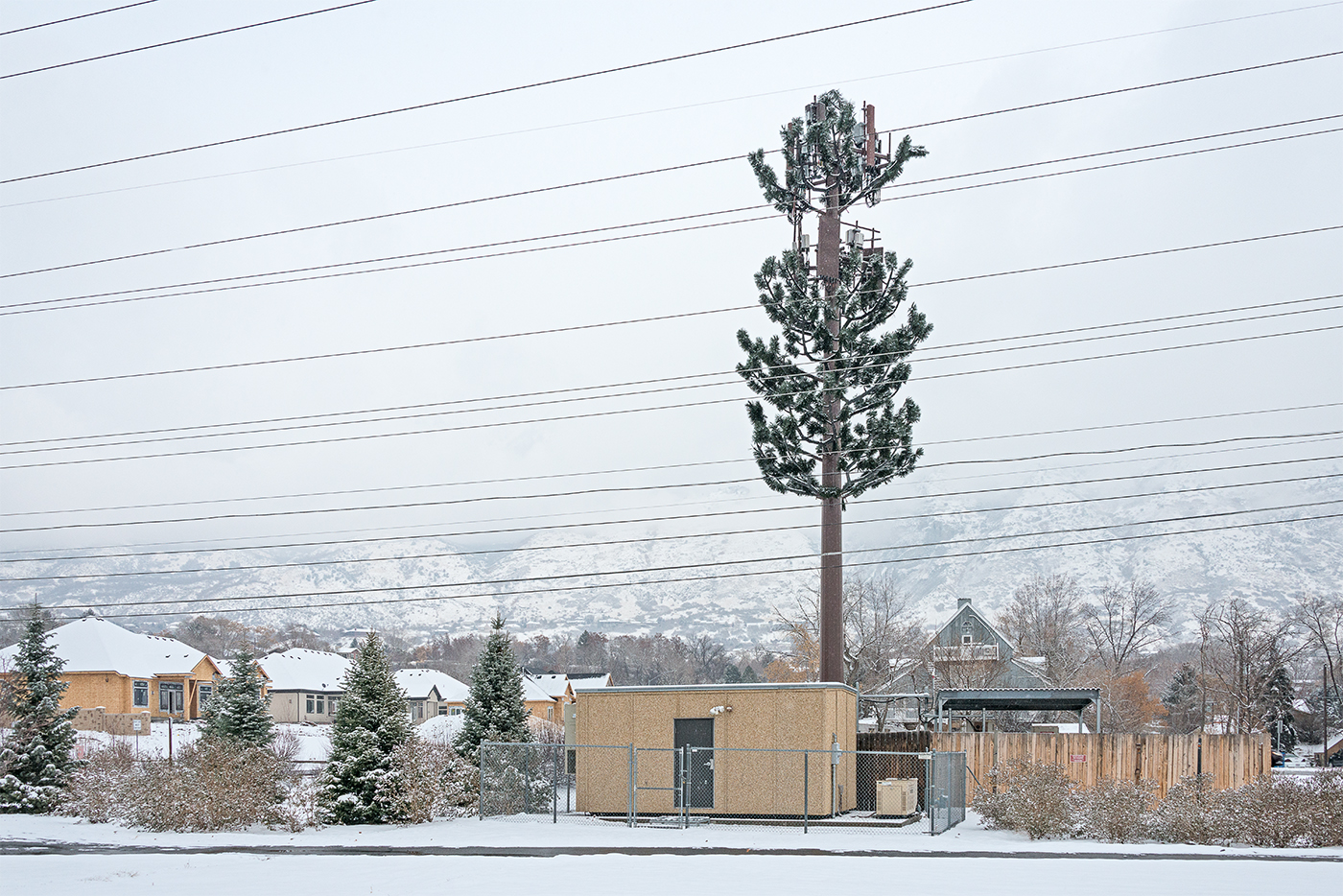
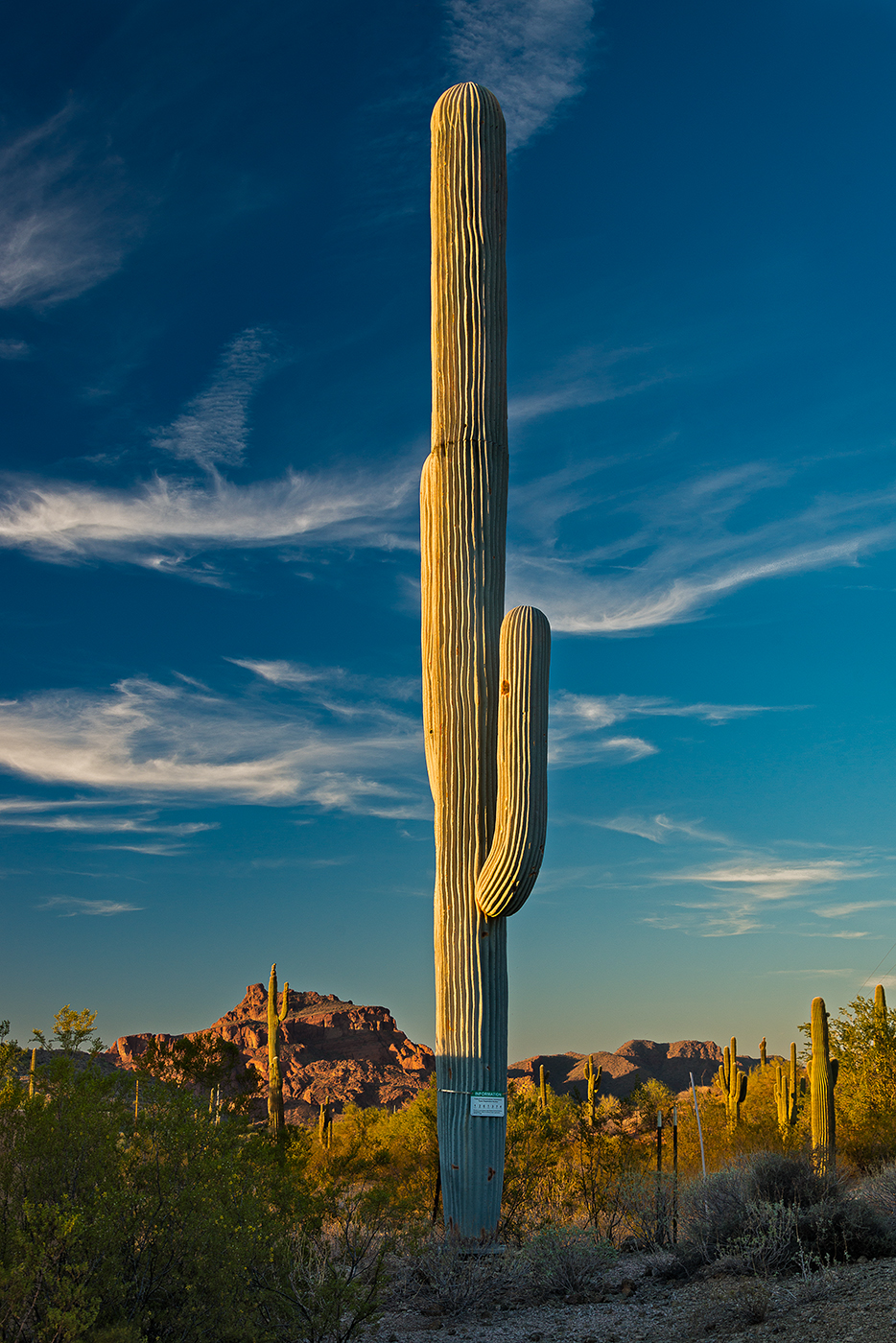
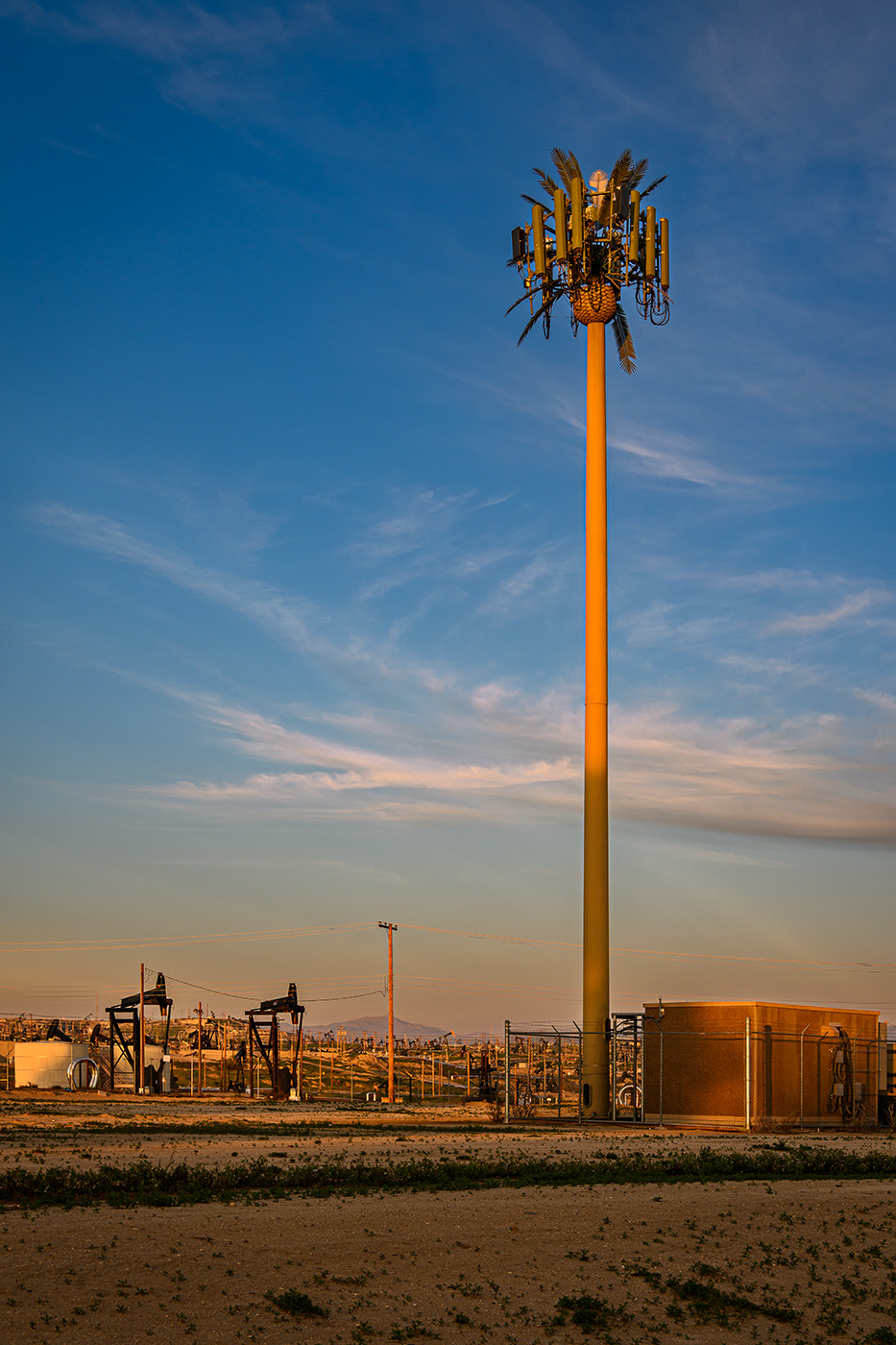
Fauxliage captures the proliferation of disguised cell phone towers across the American West. In attempting to conceal an unsightly yet essential technology of the modern world, the landscape has become adorned with a quirky and unsettling mosaic of masquerading palms, conifers, flagpoles, crosses, and more. These structures are simulacra: water towers that hold no water, windmills that provide no power, and trees that provide no oxygen—yet they all provide five bars of service.
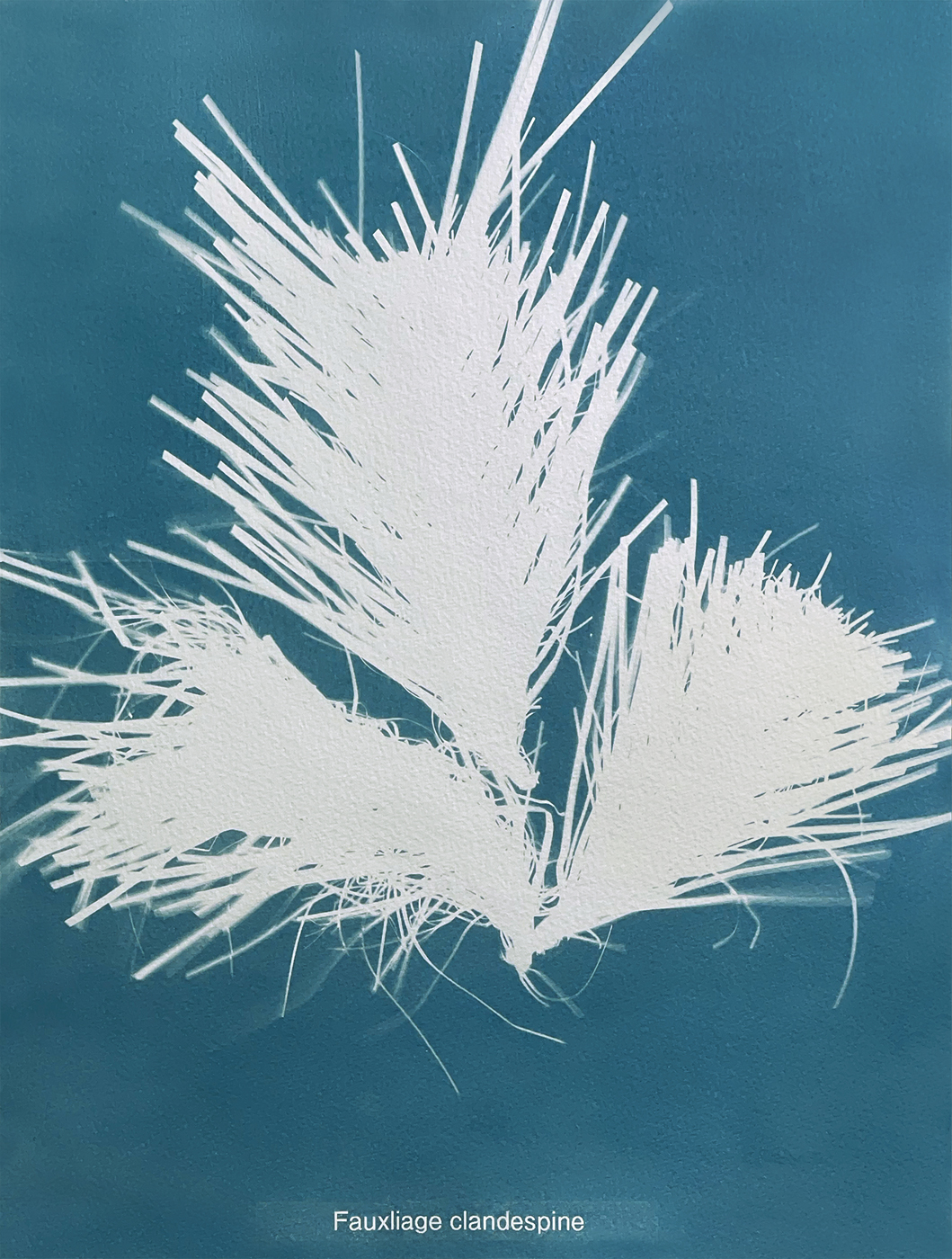
Beneath their often whimsical camouflage lies a critical layer of digital infrastructure—antennas and transmitters that enable the constant collection, movement, and monetization of data. Physical traces of the faux trees are visible on the ground below, where aging plastic leaves fall and accumulate. This debris adds to the ecological toll of our connected lives. What began as an attempt to reduce visual pollution is now creating plastic pollution.
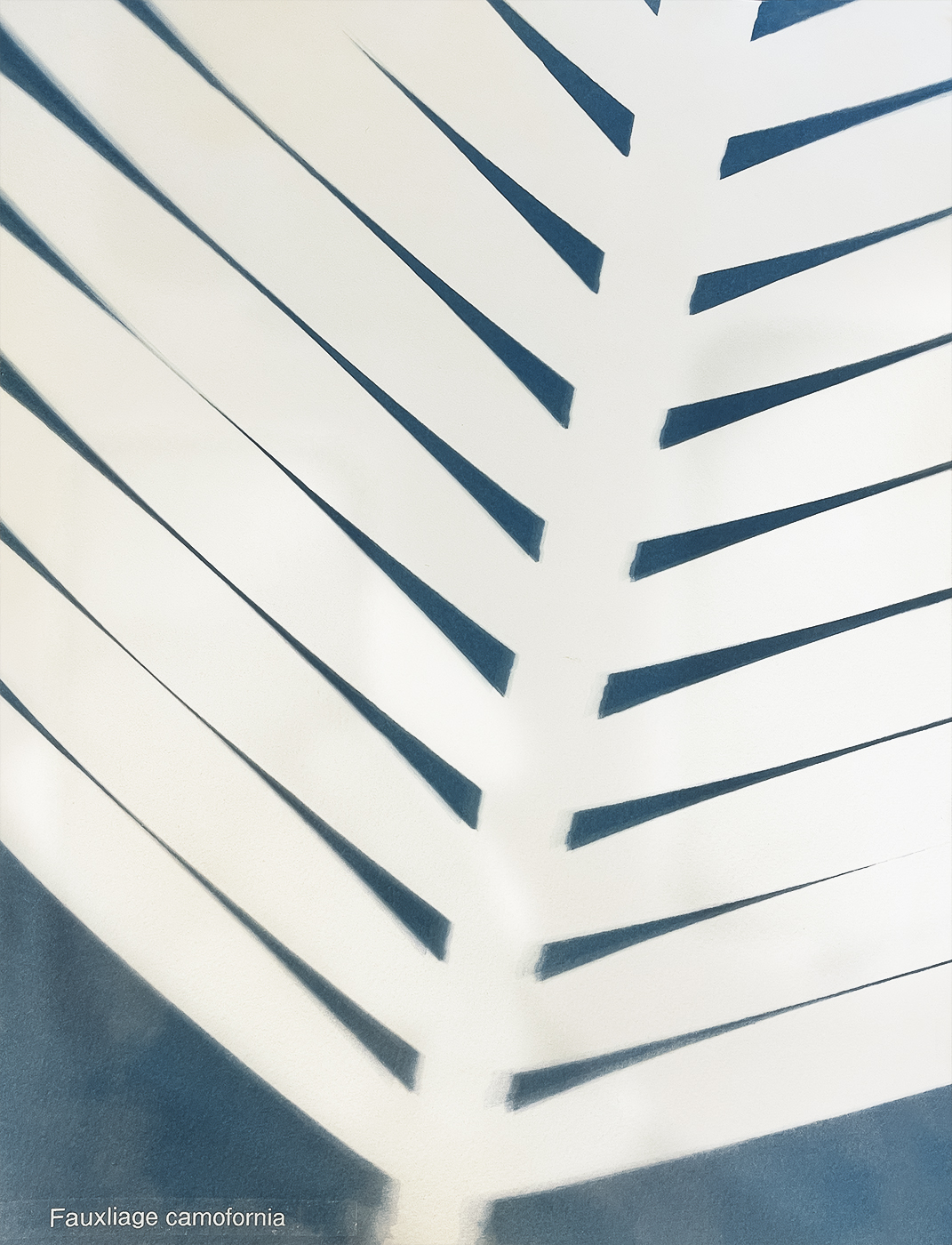
From this detritus, I collect different styles of plastic leaves and use them to create cyanotype photograms, treating these fragments of manufactured nature as botanical specimens. The prints reference Anna Atkins, the 19th-century British botanist who used cyanotypes to catalog algae. Atkins labeled each specimen by genus and species in elegant handwriting. I invent fictional species names for these artificial forms and affix their monikers with a digital label maker.
Traversing ten western states to document this architectural phenomenon, Fauxliage observes technology’s dual role as a disruptor and unifier within the landscape. The disguised towers provoke a crucial question: How much ersatz landscape and manufactured nature are we willing to accept for connectivity?
As fifth-generation (5G) technology advances, these elaborate towers may eventually become architectural relics—fading into obscurity like phone booths, drive-up photo kiosks, newsstands, and drive-in movie theaters. Their functions now reside inside our handheld devices, leaving these strange towers scattered across the landscape as anachronistic markers of the early twenty-first century.
A monograph of my Fauxliage images, published by Daylight Books, is now available.
"What would the Bechers have done with this subject? There is too much variety,
too much wildness to control here. I imagine they might have walked away. But not Annette . . . Fauxilage presents a
landscape like no other."
– Ann M. Jastrab, Executive Director, Center for Photographic Art, Carmel, CA
"Here, we enter a kind of uncanny valley as symbols of worship take on a surveillance role,
transmitting not only our thoughts and prayers, but our data and location . . . Fauxliage, as the artist calls it,
is the ghillie suit of surveillance culture, and Burke’s observations of these poorly concealed observers is canny,
occasionally funny, and ultimately rather ominous."
– Sarah Rose Sharp, Hyperallergic
"Annette LeMay Burke, whose wonderfully off-beat landscapes document the many cell phone towers disguised as trees
that can be found all across the American West and stand as palpable reminders of the lengths we are prepared to go to
support this technology that has taken over our everyday lives."
– Karen E. Haas,
Lane Senior Curator of Photographs,
The Museum of Fine Arts, Boston, MA
"She presents her viewers with beautiful images of charged objects with which to reflect
on our own engagement with our modern digital systems."
– Bree Lamb,
Fraction Magazine
"As 5G technology slowly
renders the towers obsolete, the project now takes on an archeological motivation. The presence of the strange palm
and pine trees in the landscape, a constant reminder for how public spaces are constantly being surveyed, is transforming —
they now seem like reminders of a time almost gone, almost like large scale sculptural objects. "
– Dr. Rotem Rozental, LACP Executive Director and Chief Curator